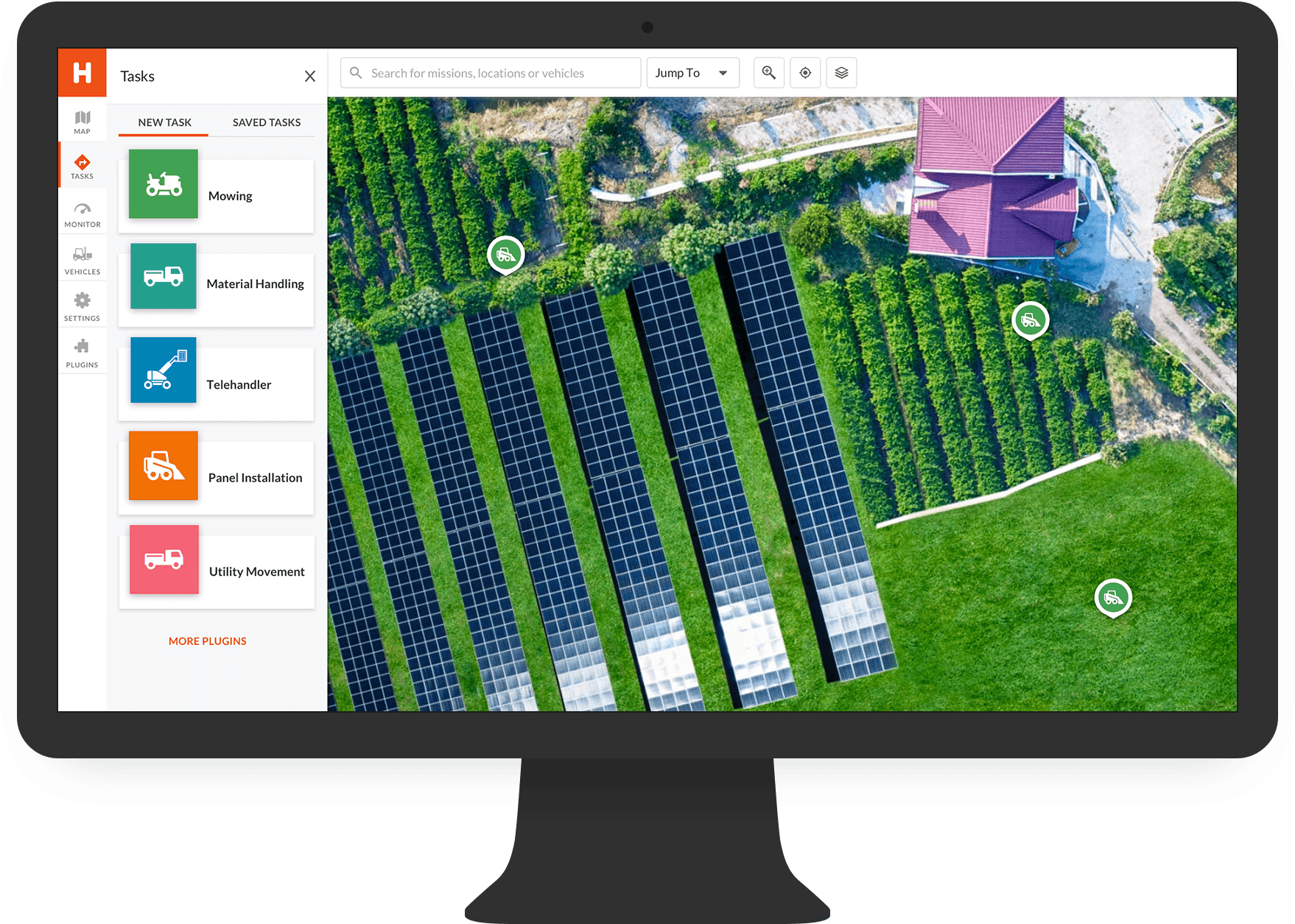
We worked on an interesting project at Fresh to automate the construction industry. The project started with unknown requirements, uncertain possibilities and ambiguous technology constraints. We used the Design Thinking approach to navigate through the project and deliver the desired outcomes.
How might we eliminate manual and laborious tasks in the construction industry using self-driving vehicles?

Simplicity
Creating a high-end experience that is extremely simple to use.

Efficiency
Optimize for speed and results.

Delight
Make it look awesome and high-end.

Future Proof
Design for the future of logistics and fleet management.
The Team
4 Designers, 8 Program Managers, 50+ Engineers, 30+ Stakeholders
Duration
June 2018 - Jun 2019 | ~1.5 Years
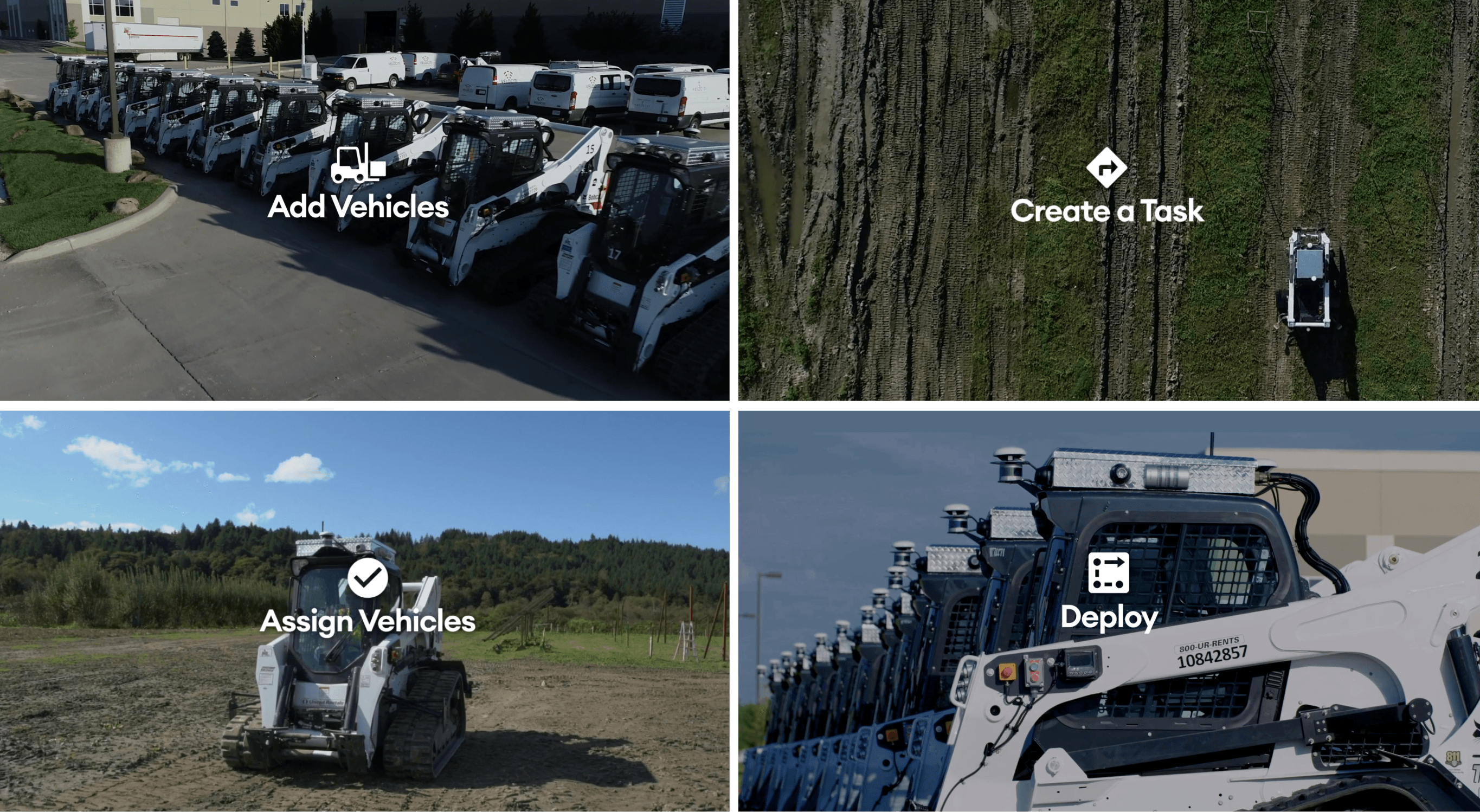
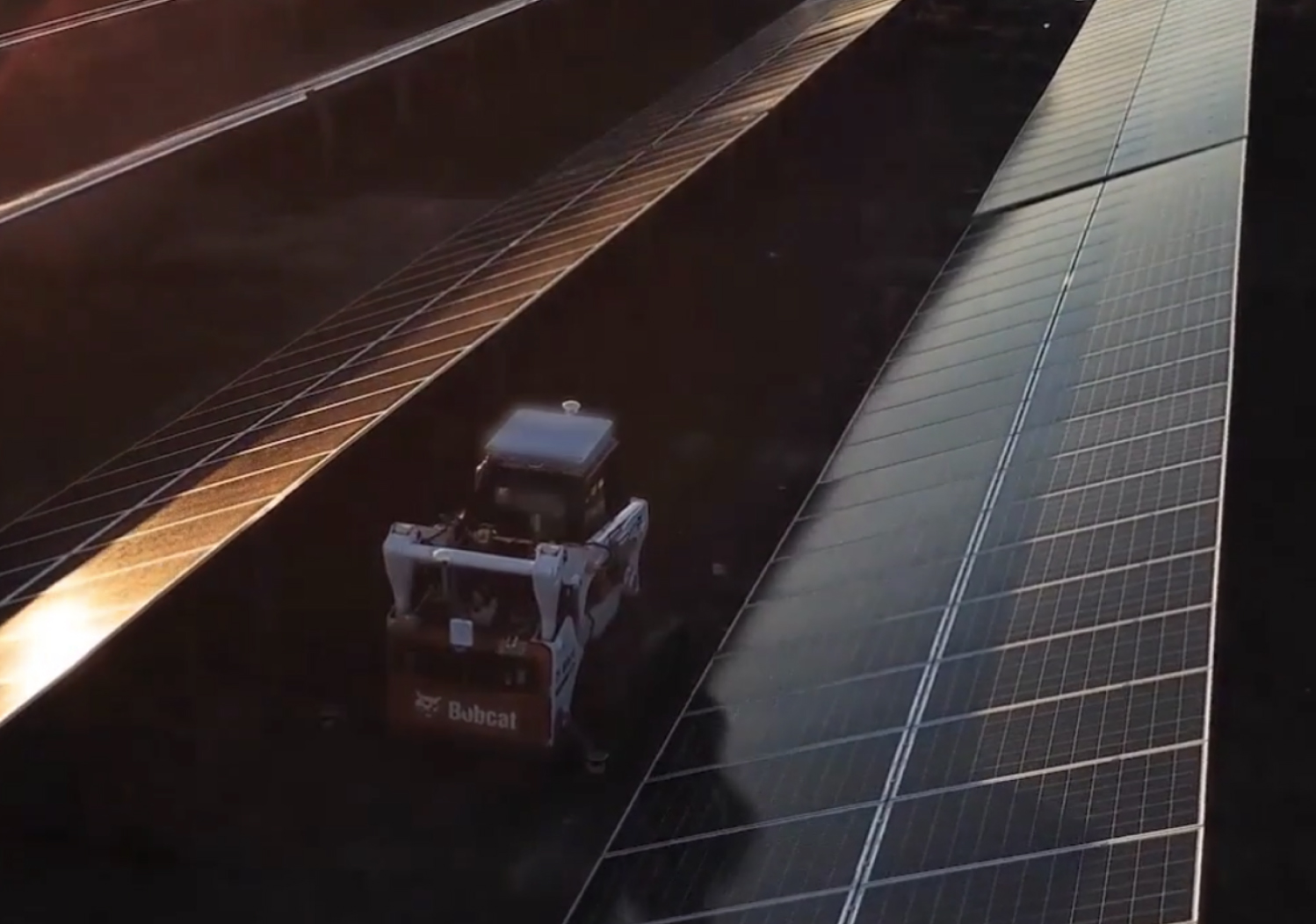
Ever seen a driver-less Bobcat? Here's a preview.
Here are some estimated results delivered through this project.

100
+
Construction Vehicles

12
Work Sites Automatd

$
MM
Revenue
$
50
K+
Cost Savings / Site

100
+
Hours Saved Monthly

2.5
cm
Accuracy
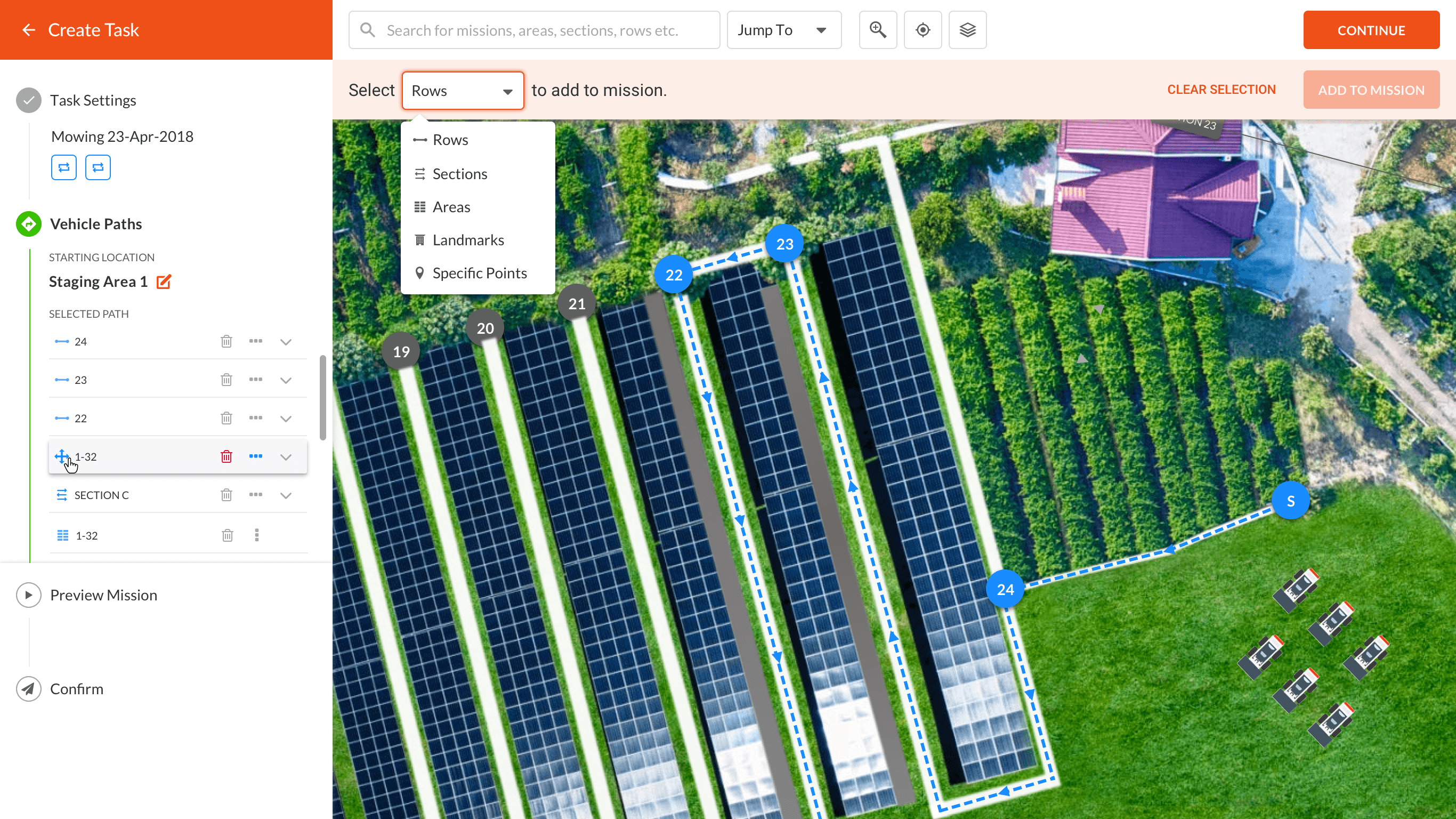
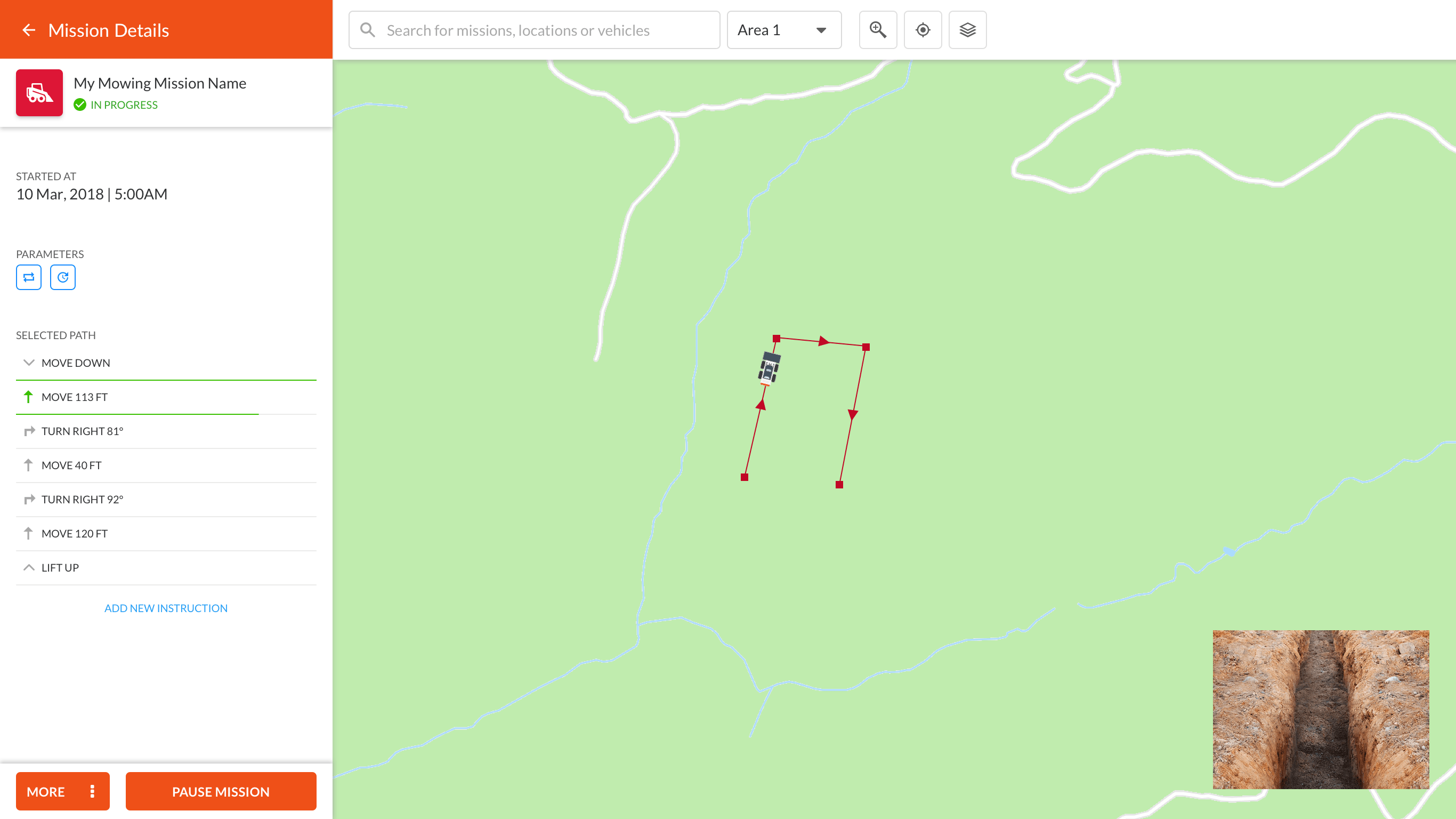
Setup a path and instructions for a fleet of vehicles to follow.
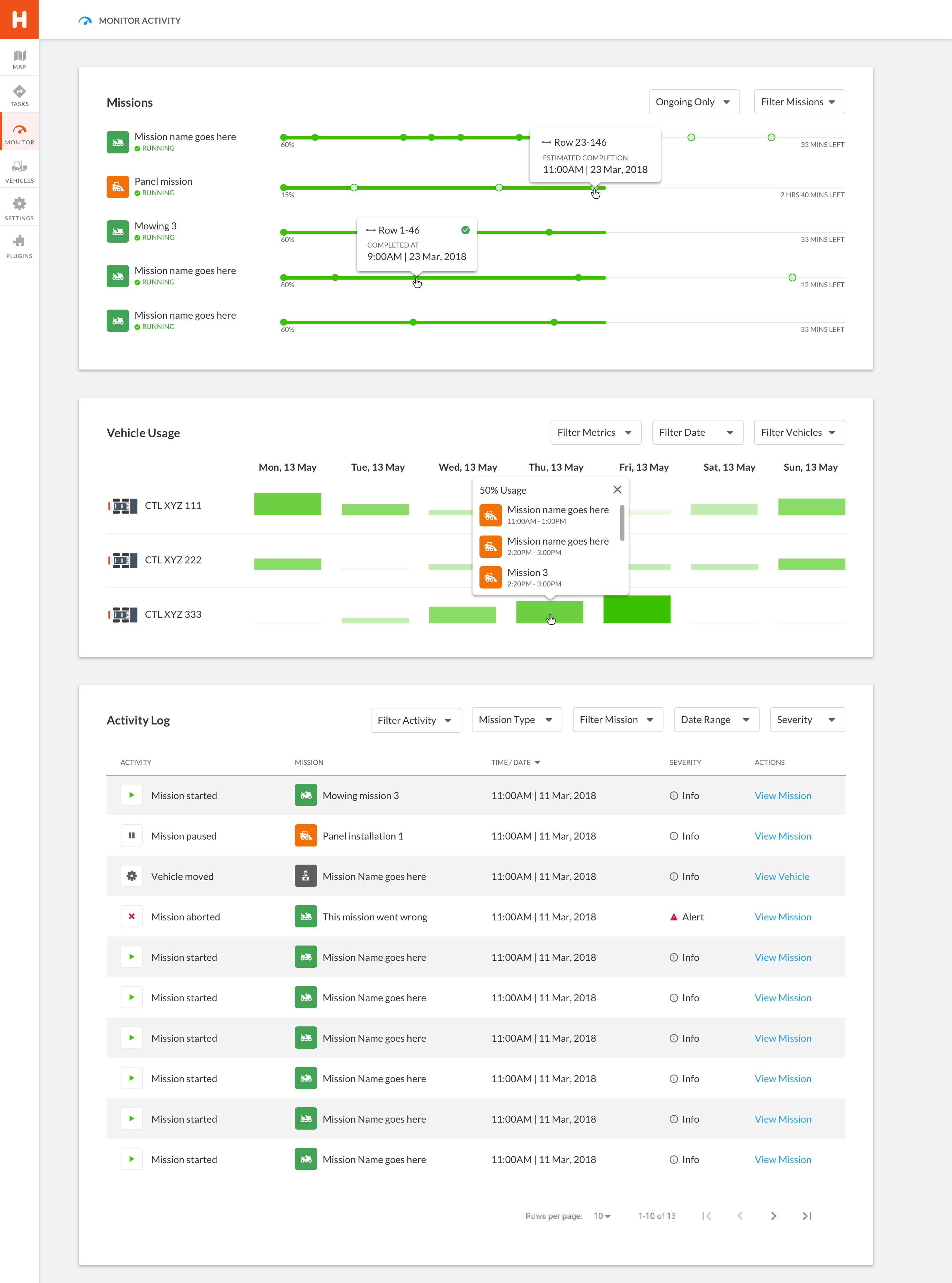
Track ongoing missions
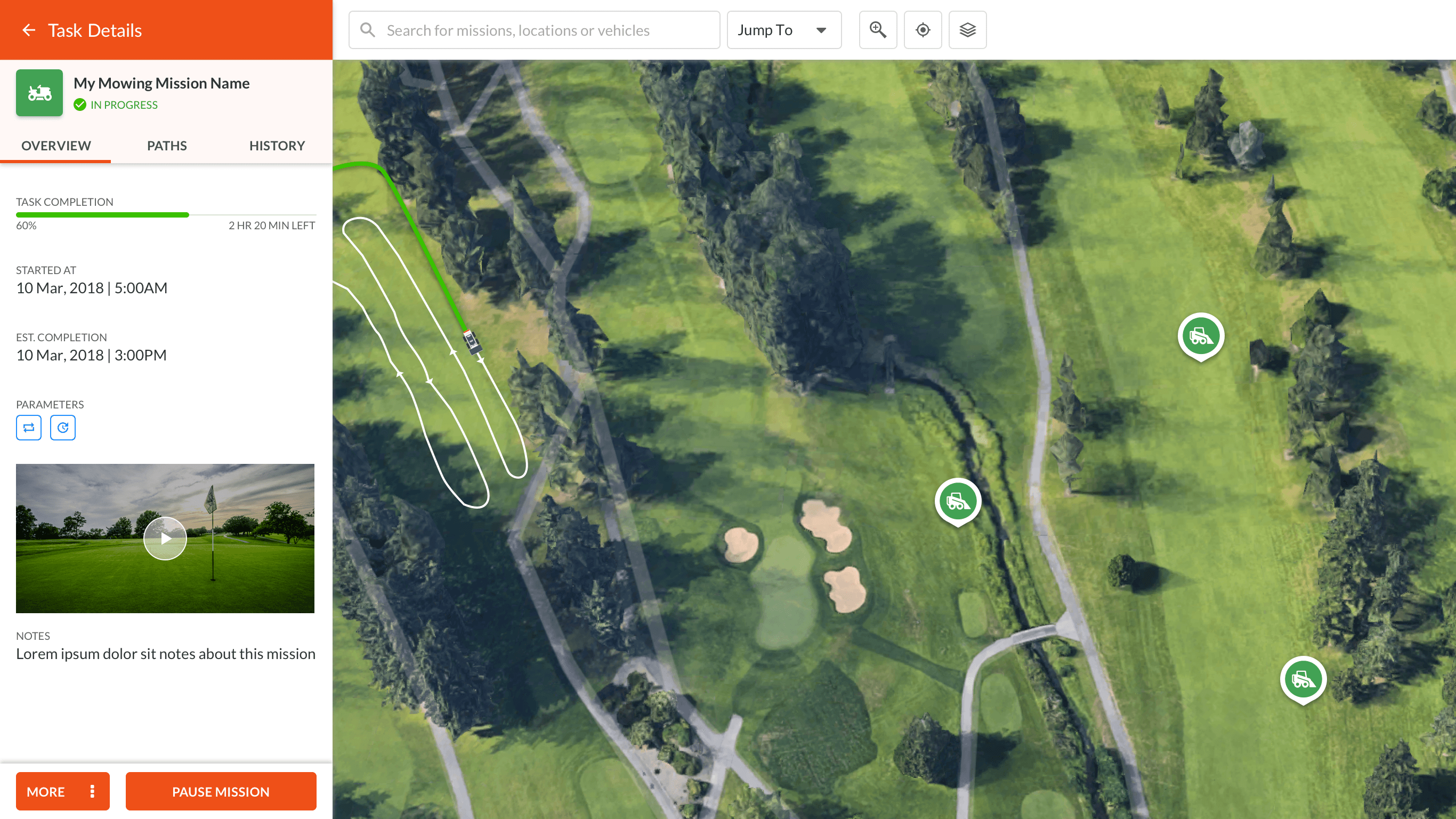
Monitor ongoing missions, including vehicle status, duration and history of activities.
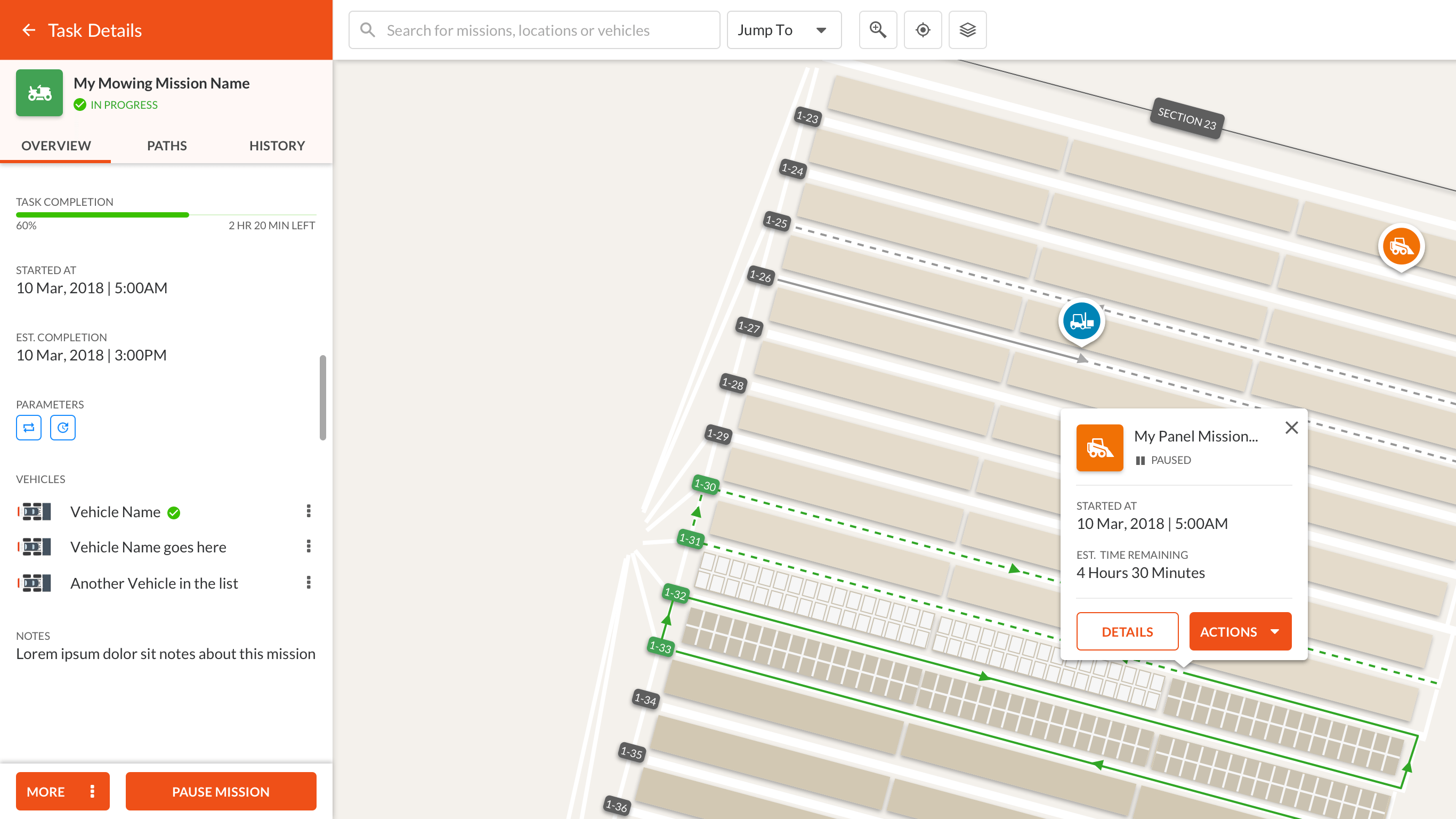
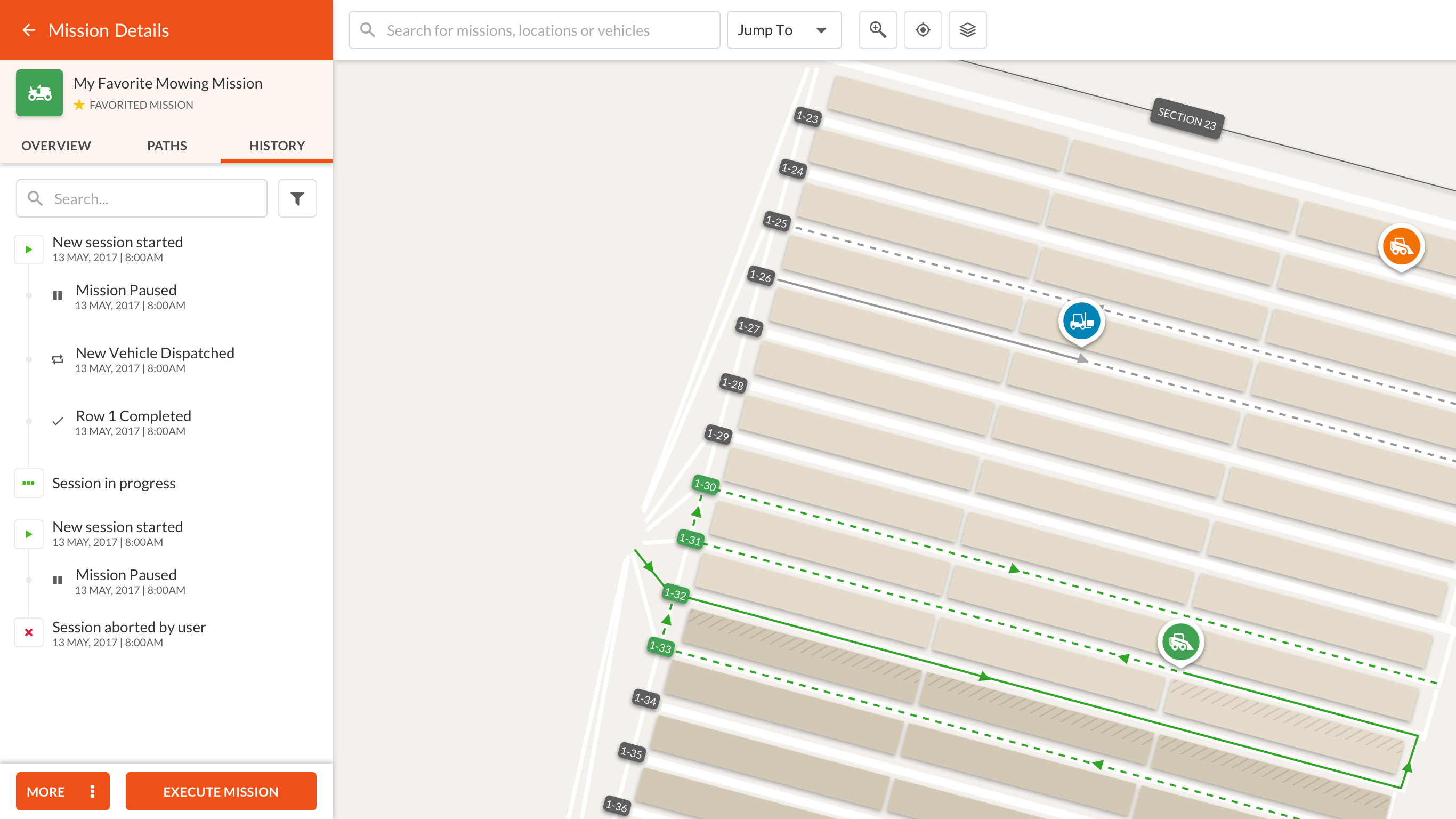
Different views of maps based on site terrain.
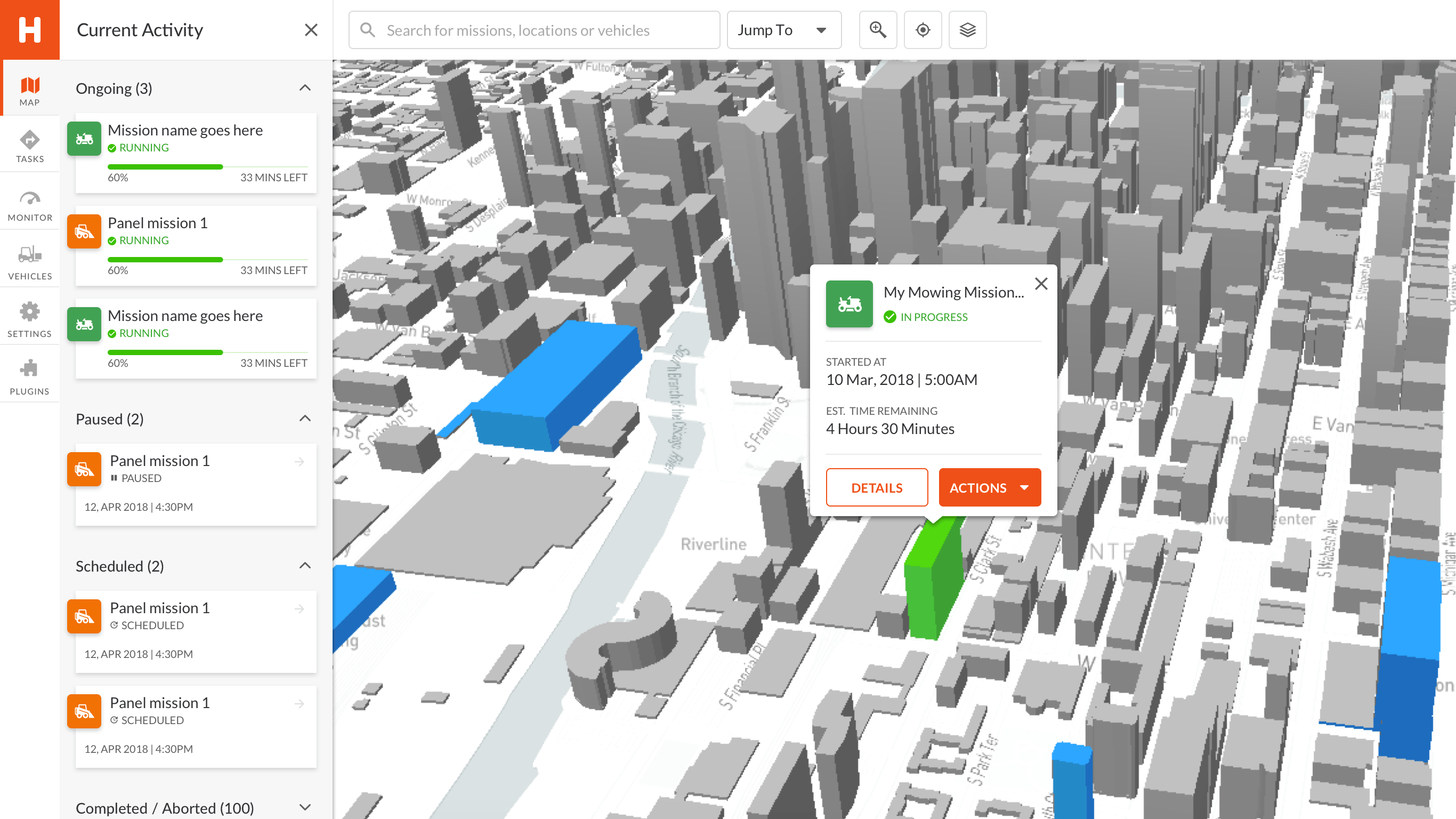
Analyze vehicle usage for operation efficiencies and optimization of processes.
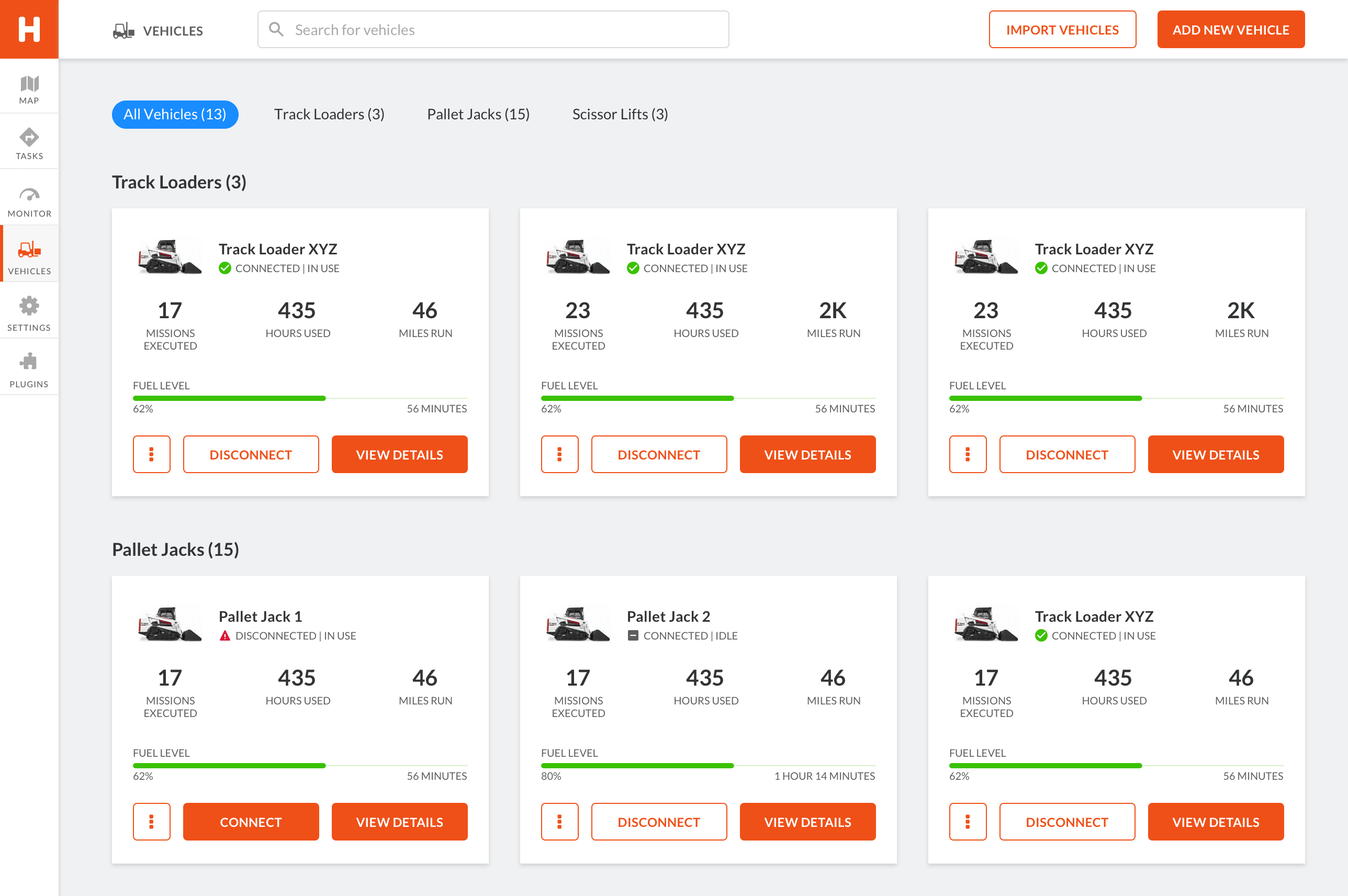
Manage a fleet of vehicles by adding and removing vehicles as needed. Once added, vehicles will work in tandem to create the most efficient paths for executing tasks.
Configuring a vehicle to copy, program and repeat actions, what was called dog training internally.
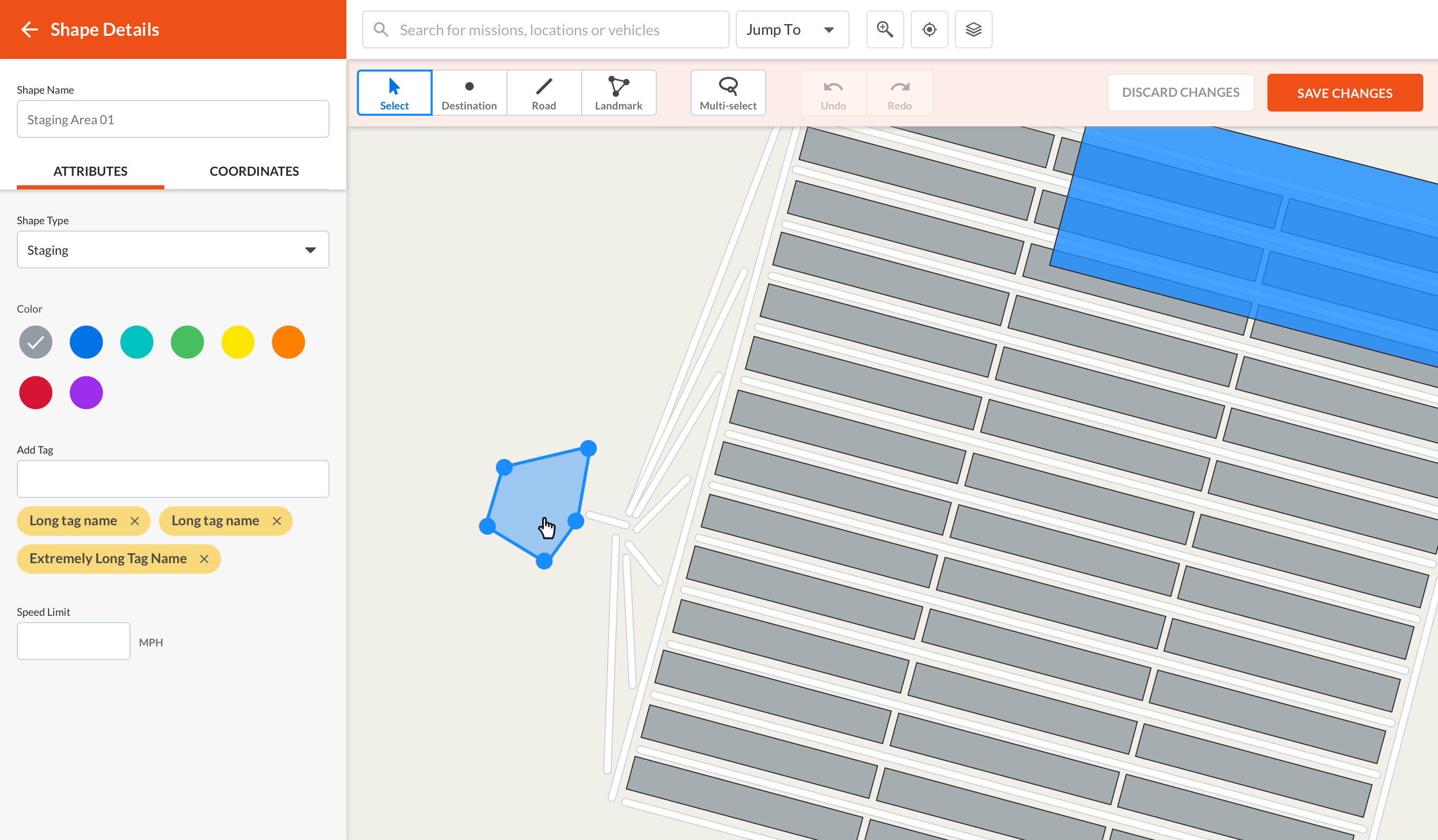
Import and edit site information such as roads, panels, panes, no-go zones, terrains, staging zones and task specific assets.
Configuring a vehicle to copy, program and repeat actions, what was called dog training internally.
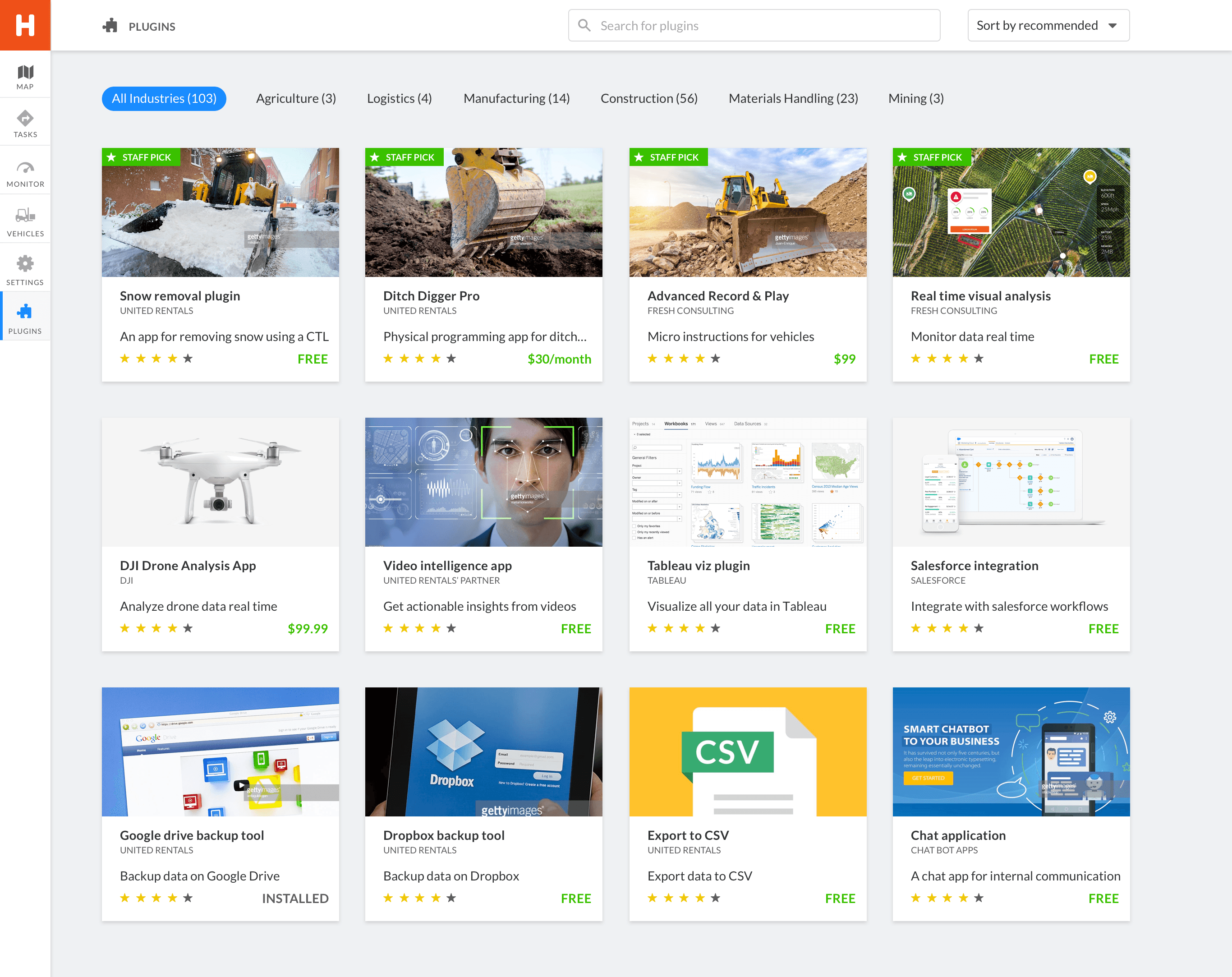
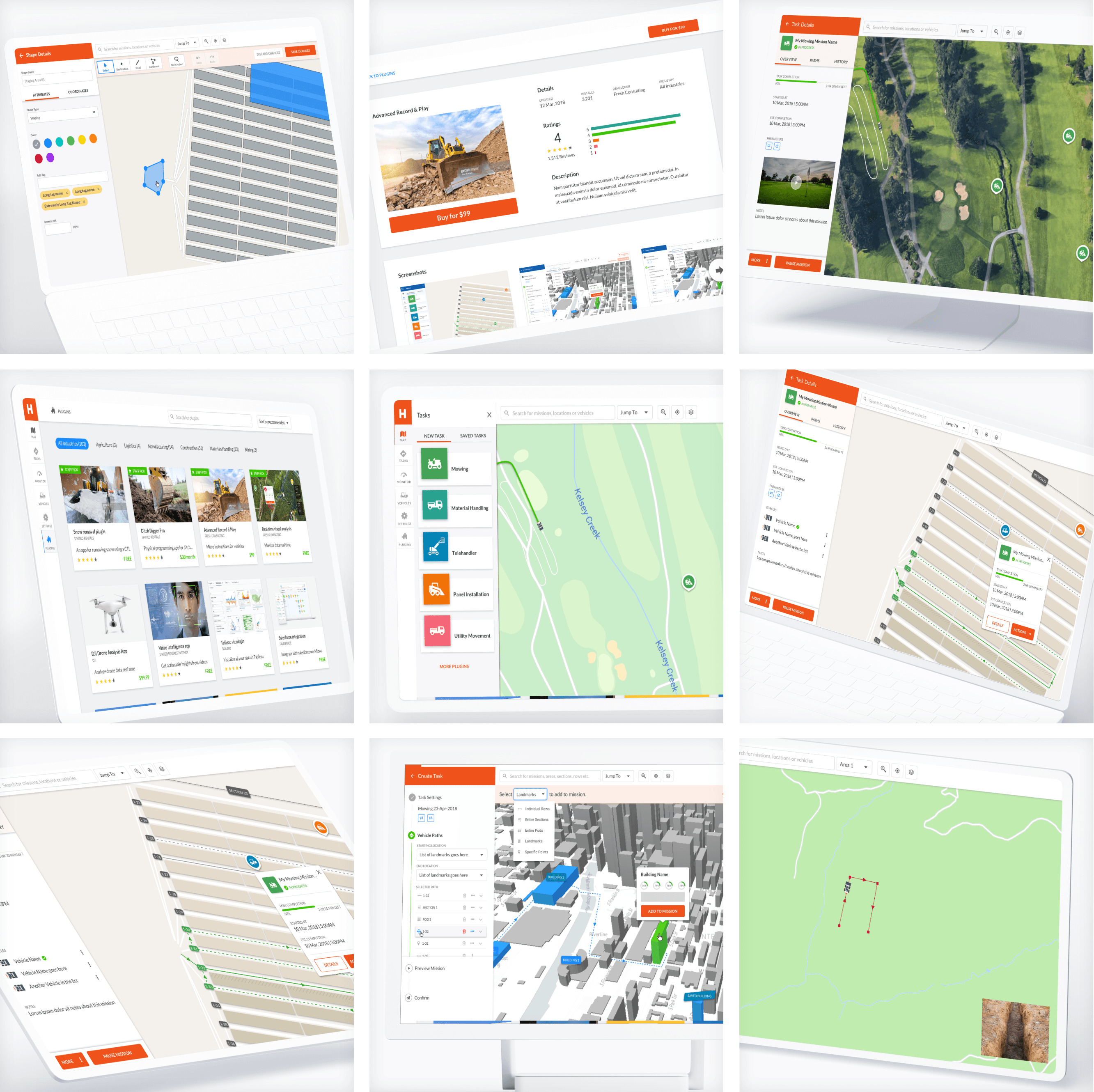
Here's a prototype of the Red Route of the product made using Principle.
Unmanned vehicles with Emergency Stop buttons and other safety controls.
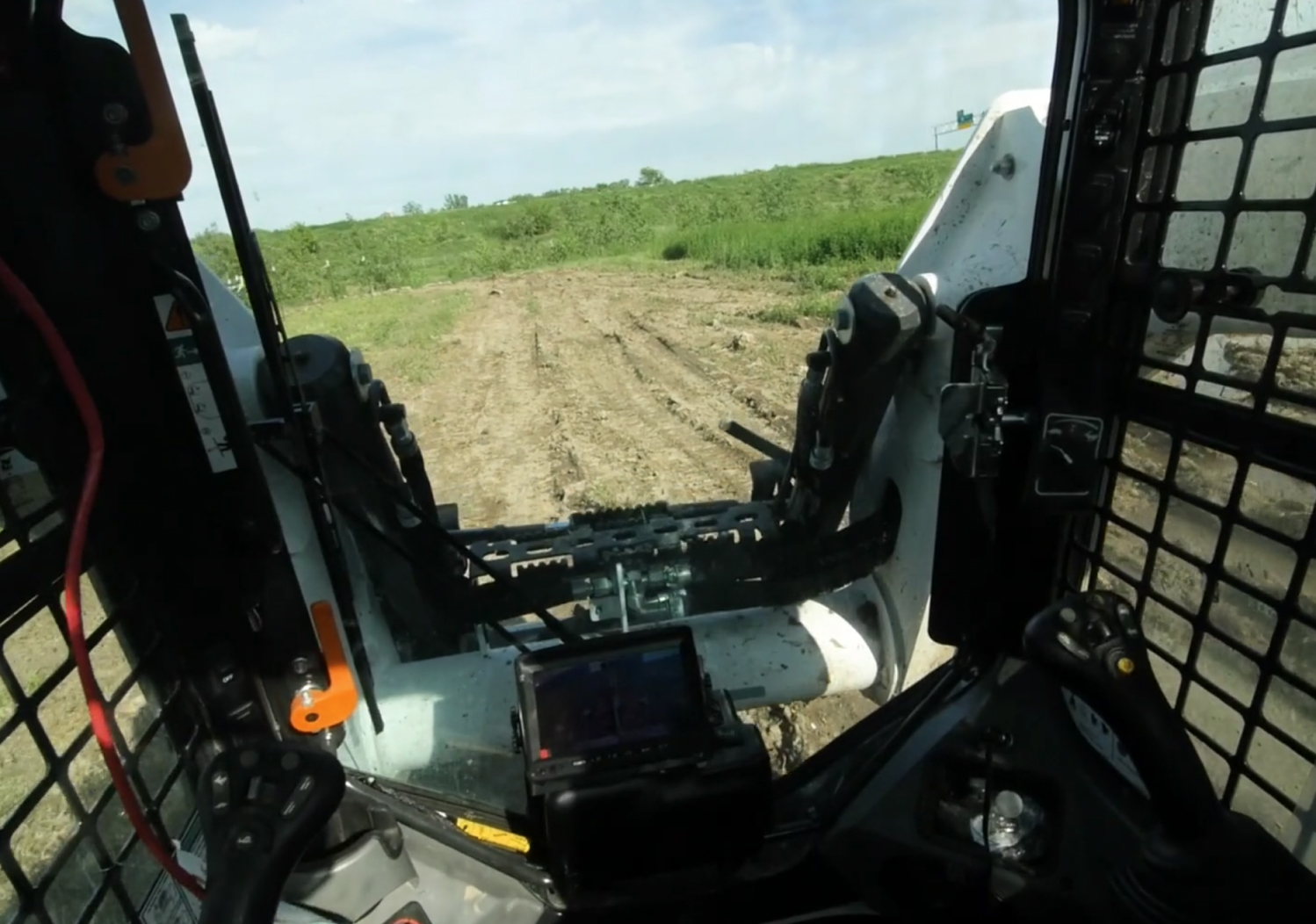
External overrides and continuous vehicle status and feedback for safe and controlled execution.
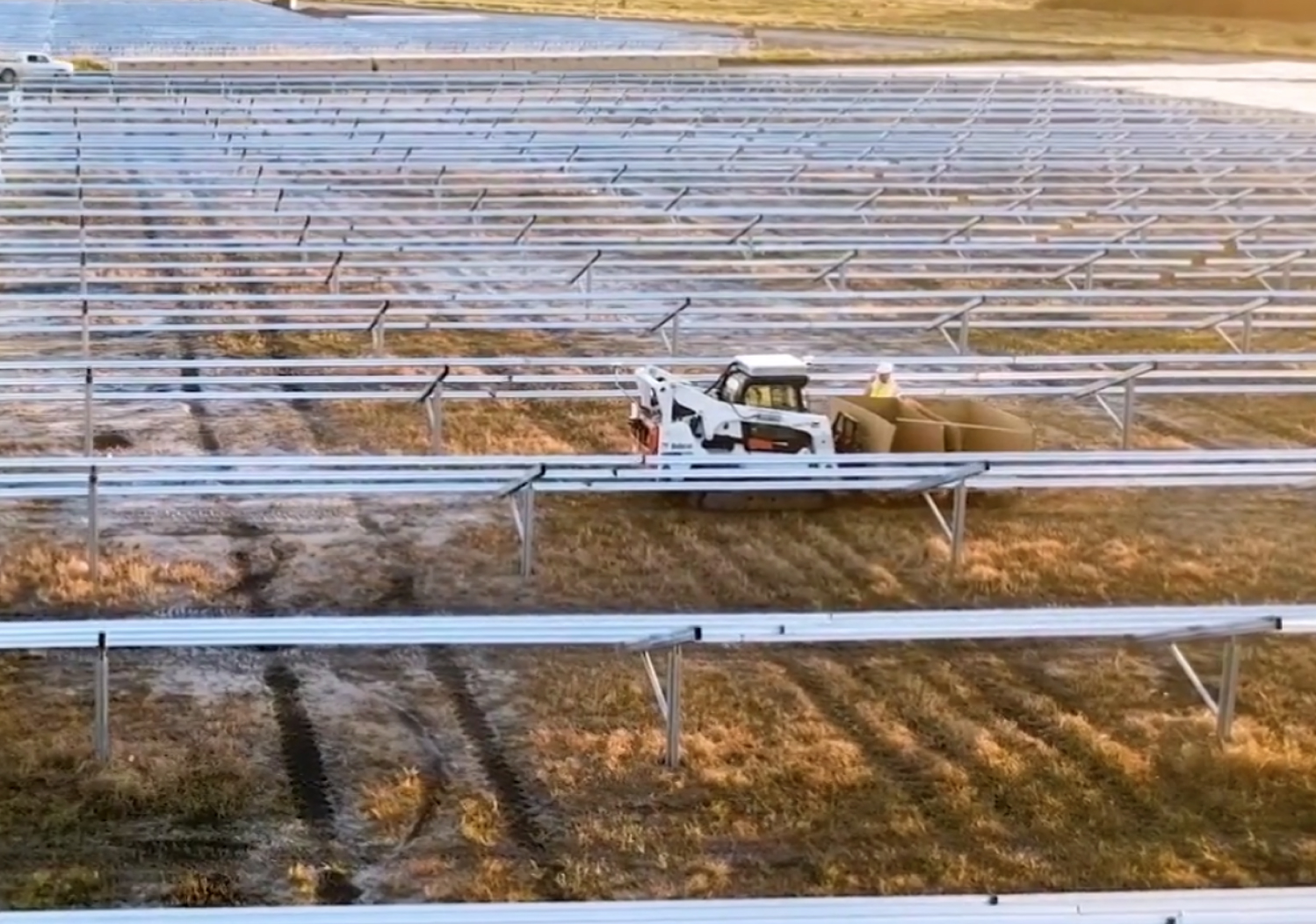
Smooth and seamless vehicle handoff for efficiency
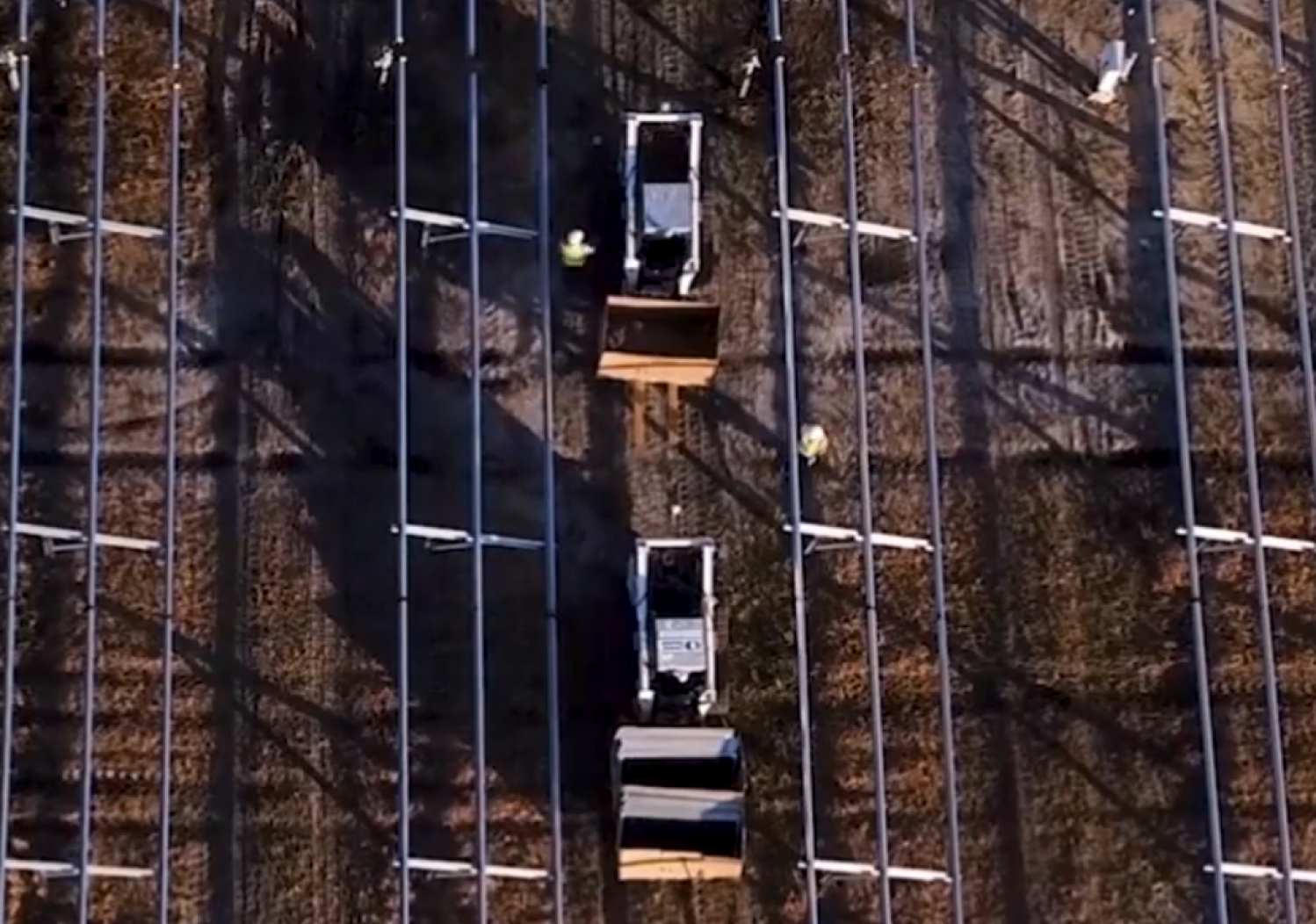
Collision prevention through LIDAR equipped technology
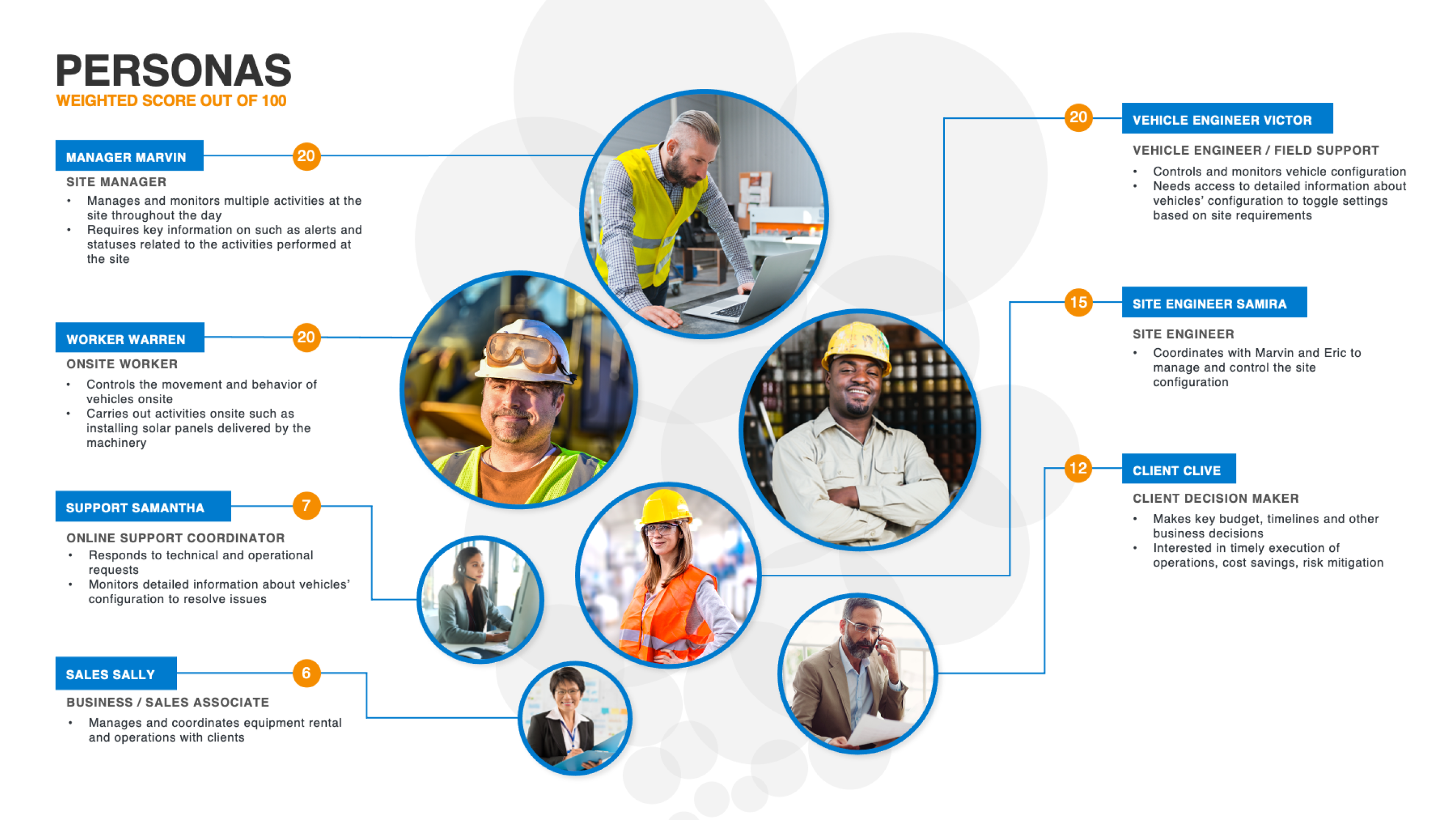
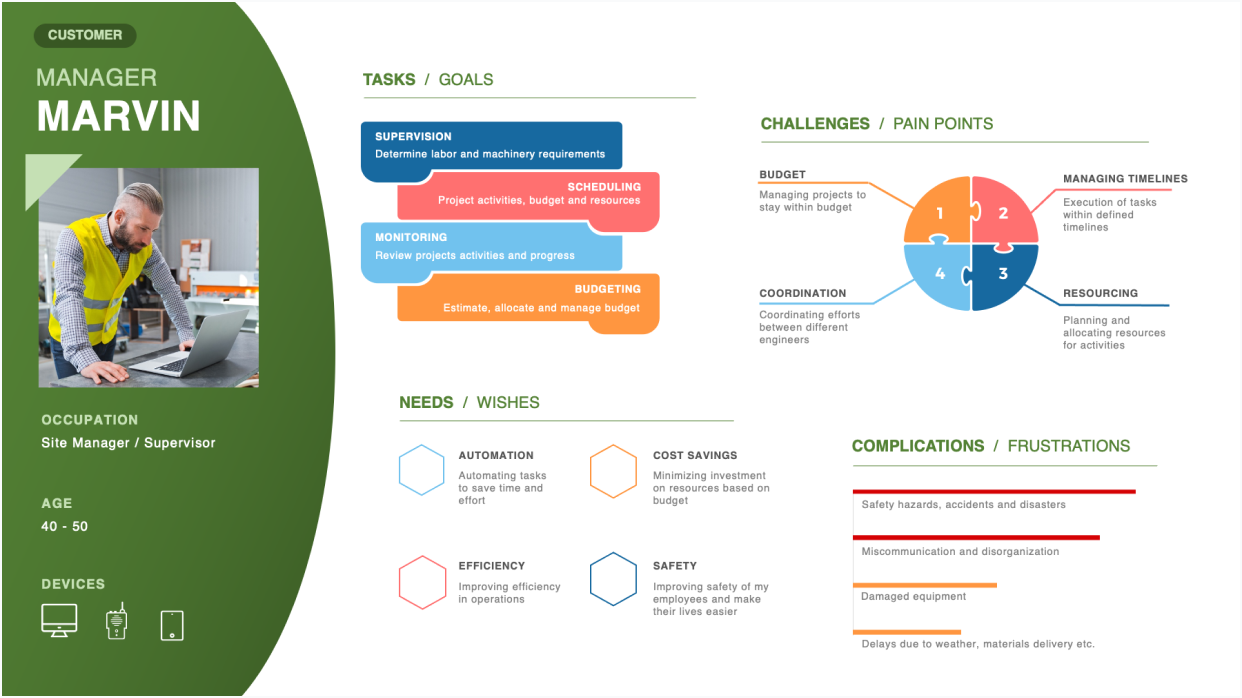
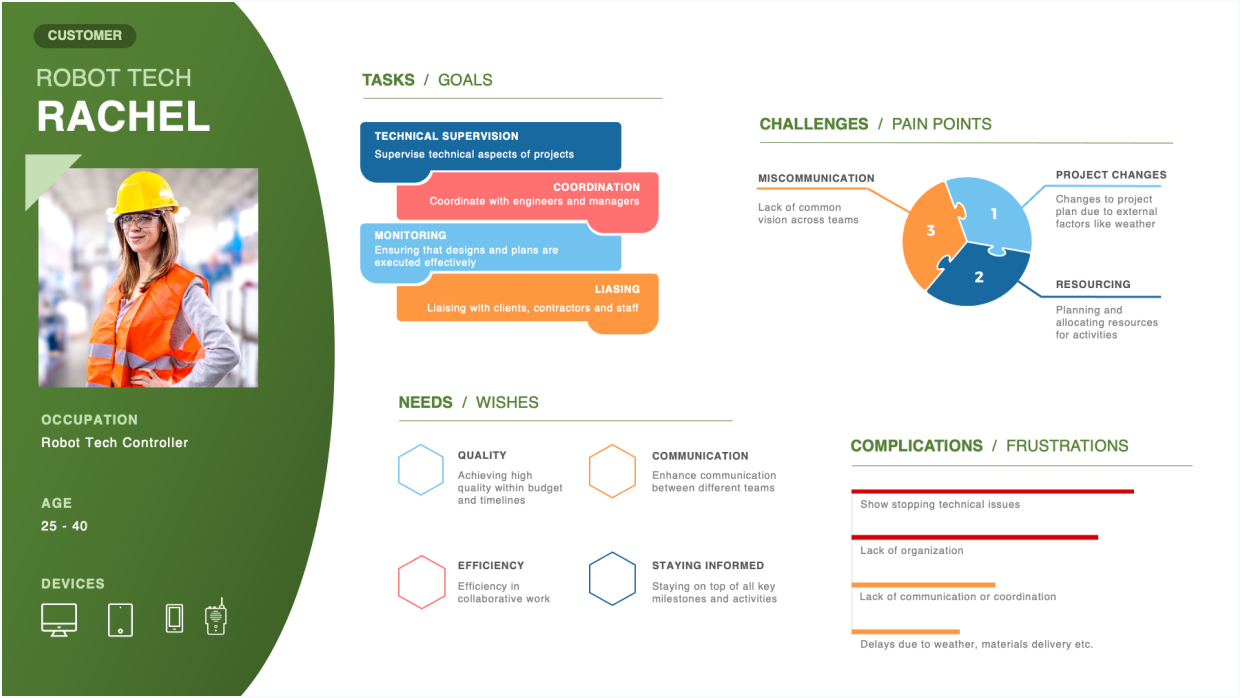
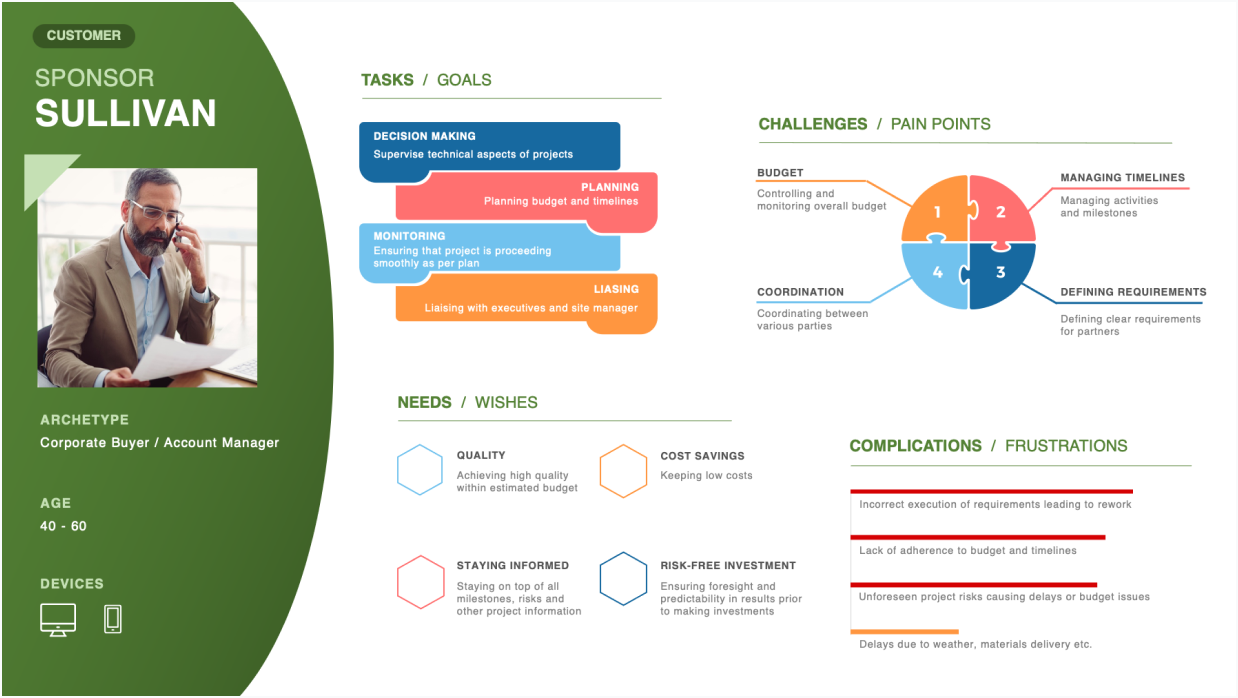
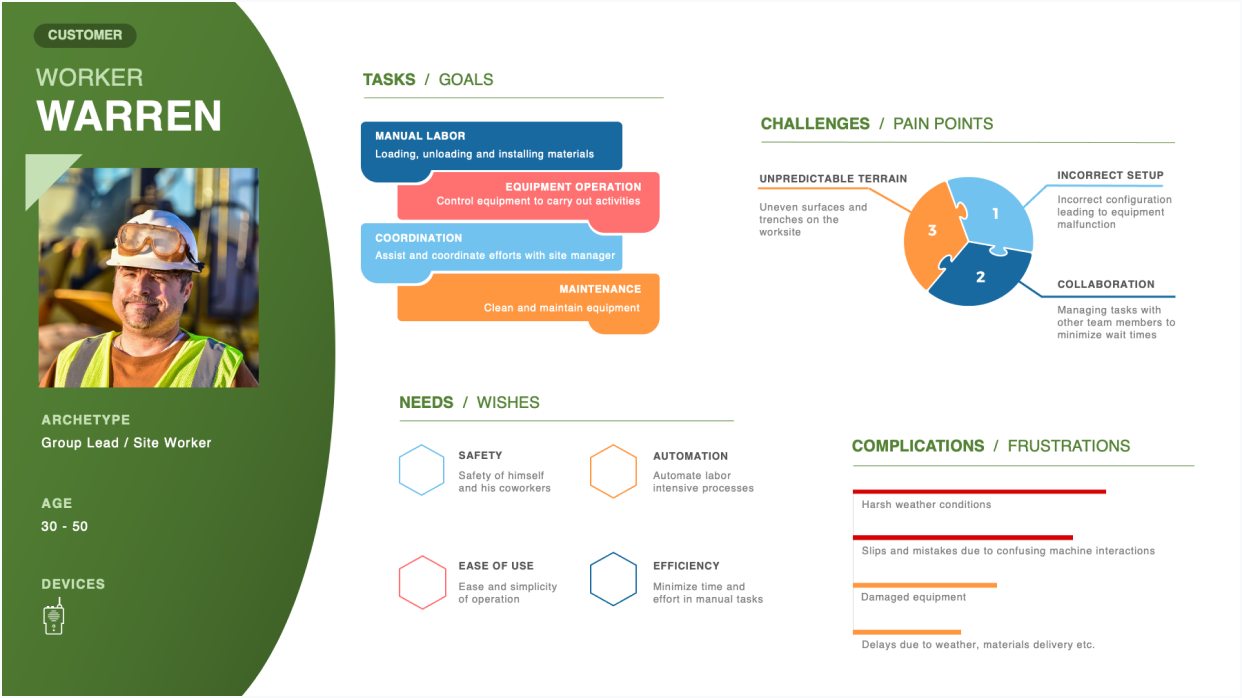
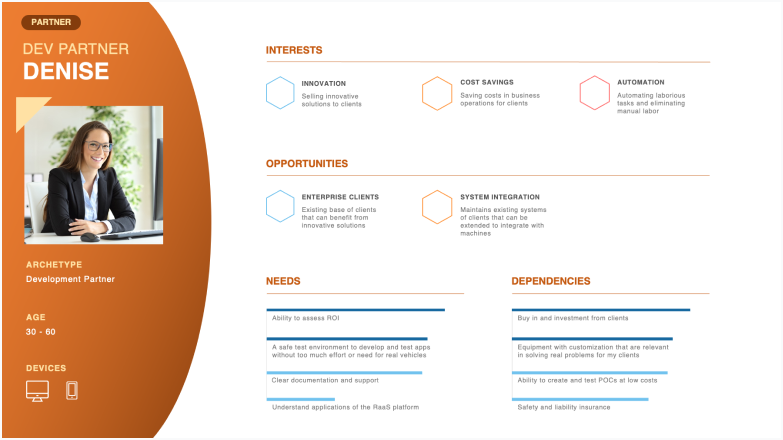
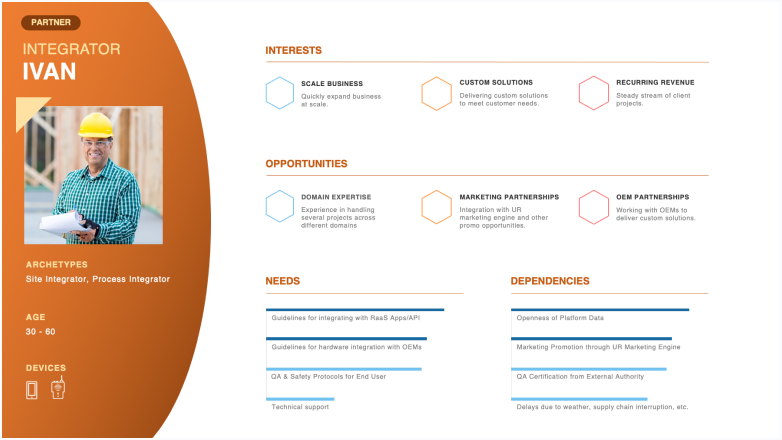
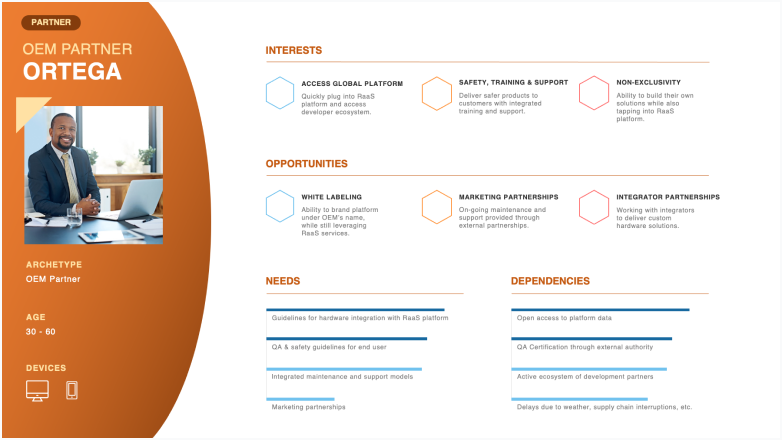
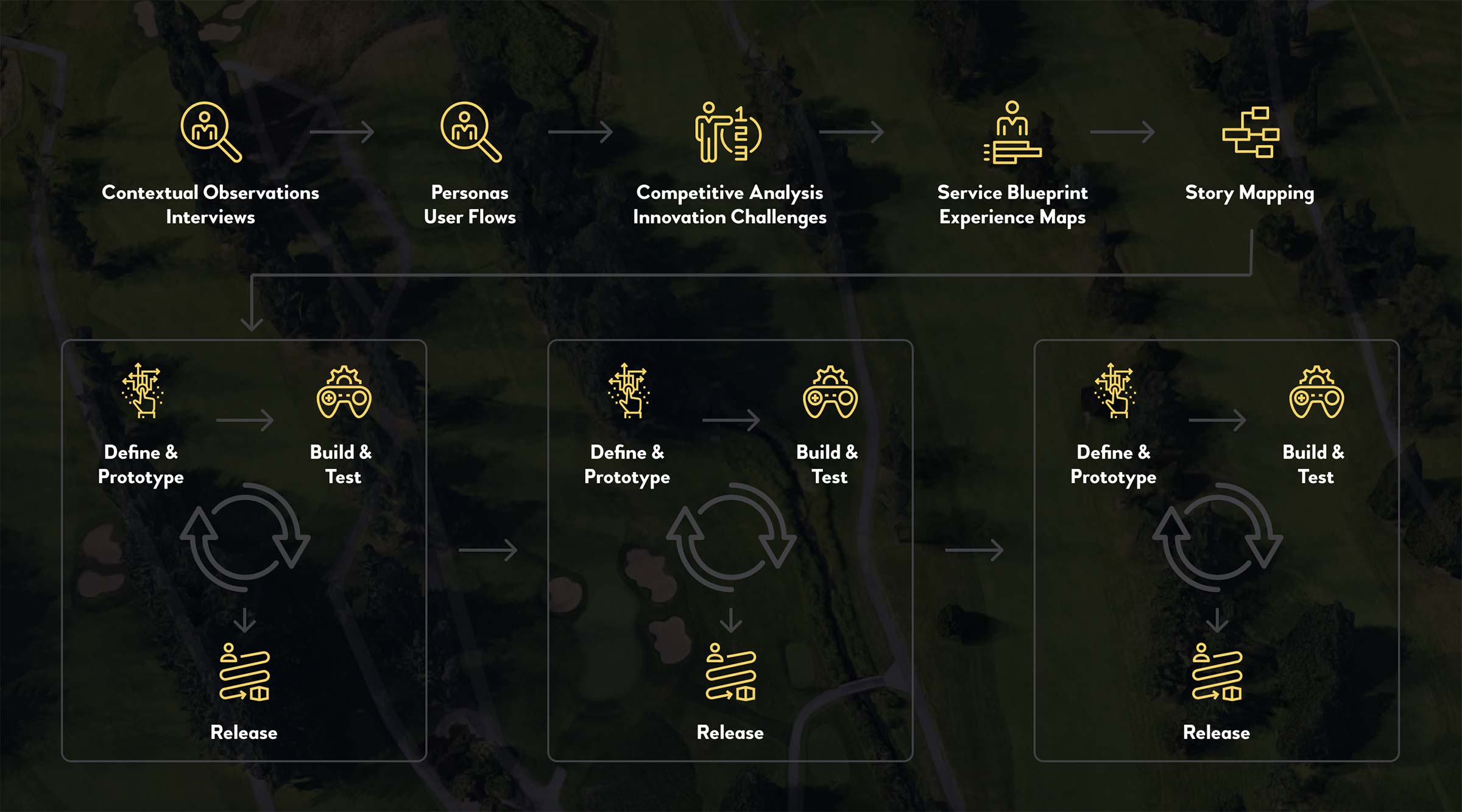
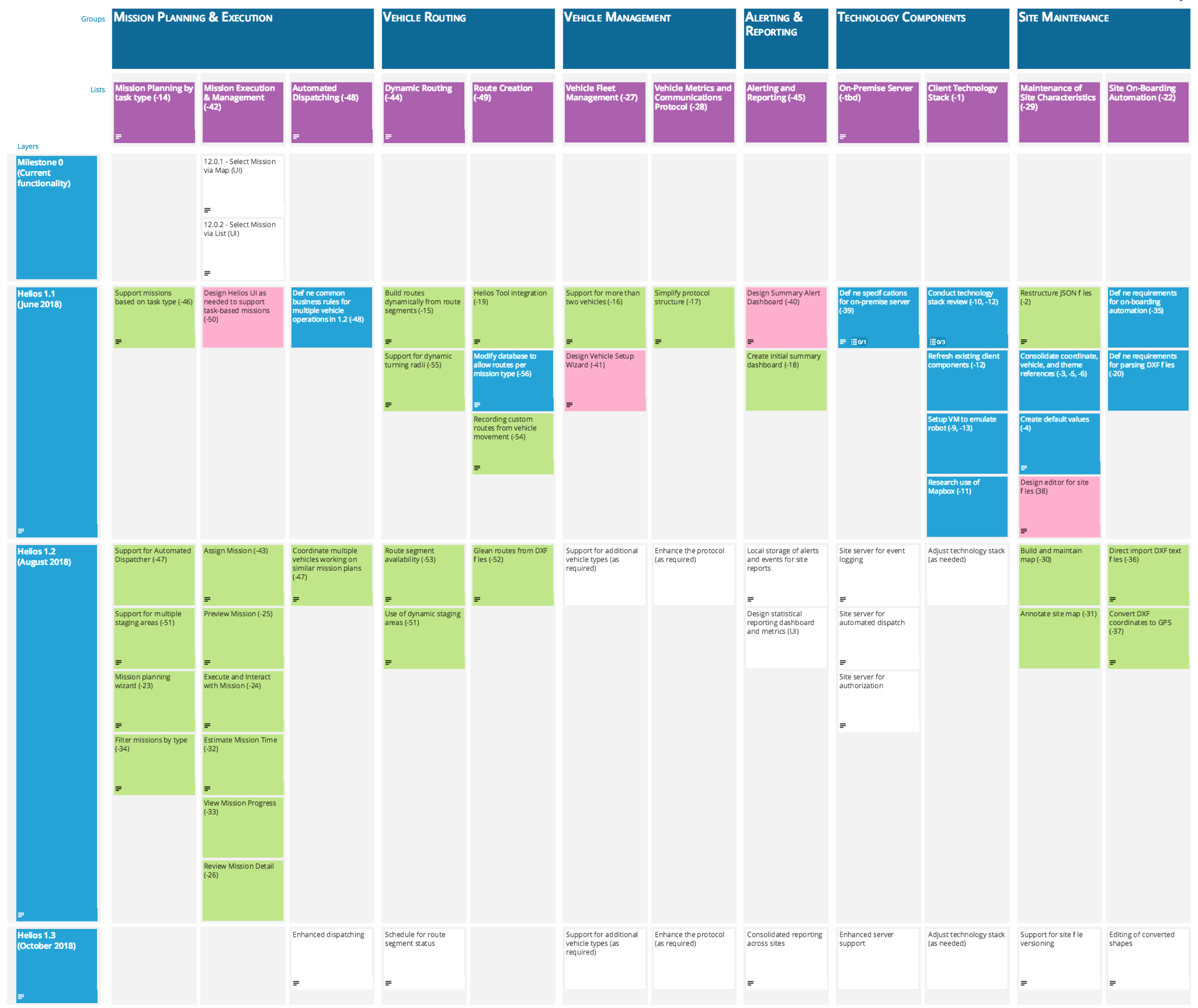
Here's a look at how I documented a roadmap based on interviewing stakeholders to paint the vision for the team. I also conducted contextual observations and interviews with Site Managers to better understand their needs from which the Personas and User Stories were derived. All the insights that were gathered were then converted into meaningful, actionable User Stories sets that were then designed through Agile sprints.
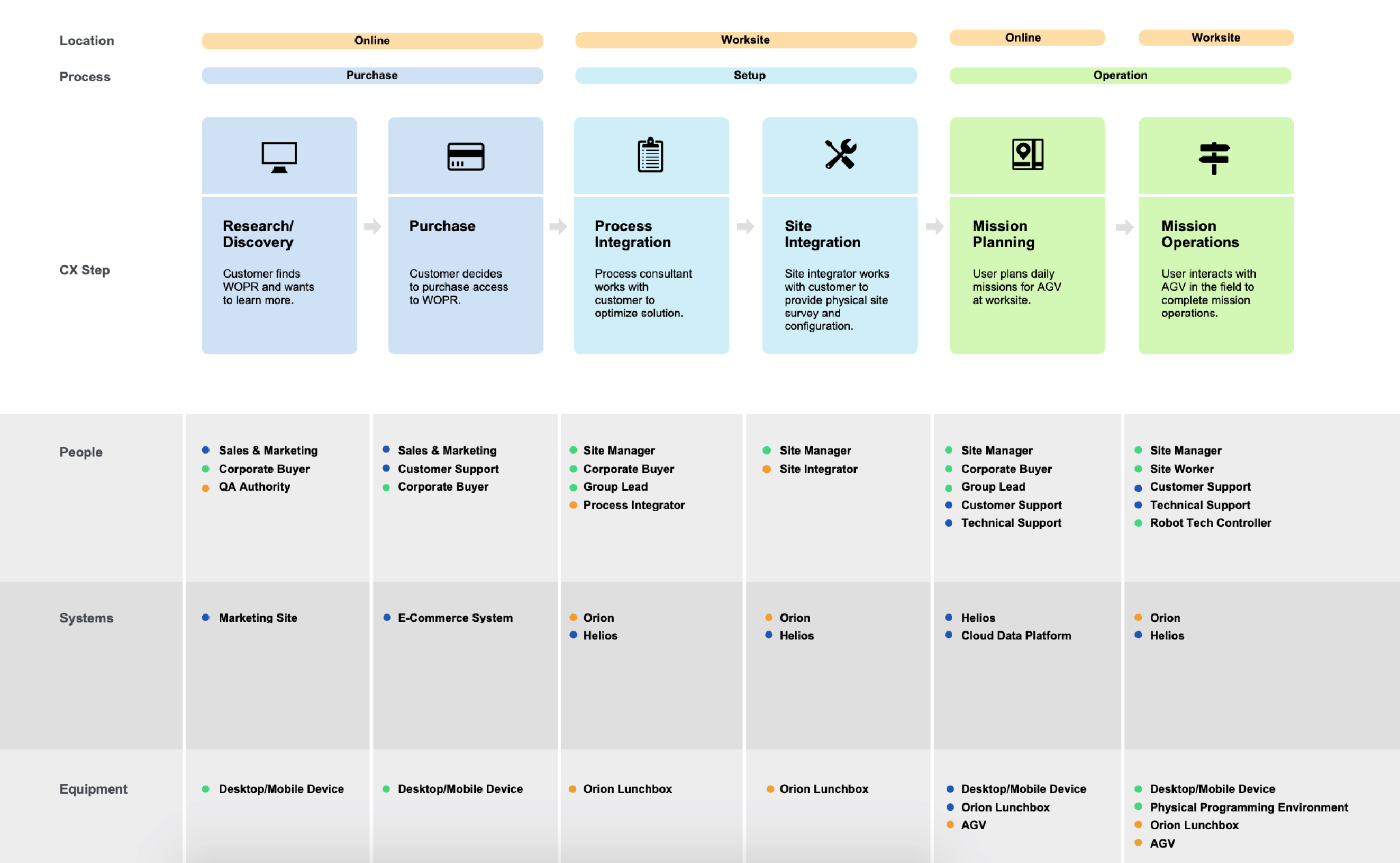
The project was a constant balancing act between big picture thinking and tactical execution. Our Design Strategist and I created a journey map and a few other deliverables to paint the long term vision which we then used to steer the direction of the product execution.
As part of an Innovation Challenge, I was assigned the responsibility of conducting a workshop of creating an Innovation Challenge for the stakeholders. Here's a highlight of one of 100+ ideas that came out of it.
I also prototyped a Marketing Website using Principle. The mockups were done by Max West, former Sr. Design Strategist at Fresh.


